For more than 60 years, WWF has worked to help people and nature thrive. As the world’s leading conservation organization, WWF works in nearly 100 countries. At every level, we collaborate with people around the world to develop and deliver innovative solutions that protect communities, wildlife, and the places in which they live.
Wild Classroom, the K-12 education program of WWF-US, strives to help WWF achieve its conservation mission by equipping US based educators with the knowledge, resources, and opportunities they need to help kids discover and understand the natural world around them. Sign up to join our email community and access a full library of free learning resources including lesson plans, videos, games, printables, interactive quizzes, and more.

WWF-Canada’s Living Planet @ School is a national program that works with primary and secondary school educators to mobilize environmental action and stewardship among students. The program calls teachers and students into action to help nature thrive with hands-on activities in the school community. Sign up for the Living Planet @ School newsletter to stay up to date on upcoming activities, grants and opportunities for Canadian students, educators, and schools.
Feeling stressed about tests, friendship drama, or just overwhelmed by everything on your plate? Discover how spending just a few minutes outside can become your superpower for managing stress, improving your relationships, and boosting focus. Dr. Sabine Huemer, an environmental psychologist who runs the Nature Engagement Studies (NEST) Lab at Oregon State University, will share simple, science-backed techniques that take less time than scrolling social media but can transform how you feel throughout your day. Learn playful mindfulness activities you can do on your walk to school, during lunch, or before a difficult conversation that can significantly improve your mood, concentration, and ability to handle whatever the school day throws at you, from tough exams to tricky social situations. Walk away with practical tools you can use when you need it most.

What do your clothes have to do with nature? Everything! Fashion might seem far removed from forests, oceans, water, or wildlife, but the journey of our clothing is deeply connected to the natural world—from the natural resources they come from, to the finished pieces in our closets. You’ll also learn how WWF is helping the apparel industry protect nature, with Payal Luthra, WWF’s Global Apparel and Textiles Lead, sharing how she works with companies around the world to make clothing in ways that are better for people and the planet.
Past WWF Lessons
We care a lot about limiting climate change at WWF, and there are many sources of greenhouse gases contributing to climate change. Are cow burps one of those sources? What about our human burps? Christa Anderson is WWF’s Director of Climate Science, and she’ll bring you the answers to these questions and more.
Come learn about invasive species – one of the biggest threats to animals, plants, people, and the environment. Julia Kurnik works on WWF’s Markets Institute team where she works on innovative strategies to make our food and agriculture system more environmentally sustainable. One of her projects has been examining invasive species – the harm they cause, and how we can find alternative, profitable uses for them to help fight these problematic plants and animals. In this session, she’ll discuss what invasives are and why we should care about them and share some surprising facts and strategies for how we can tackle this threat to biodiversity together.
Learn about some of the unique wildlife that call the prairie home. Noelle Guernsey will share cool facts about these mammal species and how her job at World Wildlife Fund is focused on restoring these amazing animals. Noelle works with inspiring people and communities that are working hard to make sure that grassland wildlife has a place to call home. In this session, she’ll share why these species matter, how they are interconnected with people, and what students can do locally to be engaged with conservation of North American wildlife.
Annie Li works on WWF’s aquaculture team, where she works on seaweed farming and the amazing ways seaweed helps our planet! She also works with Indigenous communities—people who have been caring for the ocean and the land for thousands of years. Annie loves bringing Indigenous communities together to share stories, learn from each other, and protect the ocean. Join Annie to discover what seaweed farms are, why seaweed is so special, and how we can all work together to keep our waters healthy and Indigenous communities involved in this space.
Marcene Mitchell is the Senior Vice President of Climate Change at the World Wildlife Fund, which means she leads a team of climate experts at the world’s largest conservation organization! By working across sectors and with other WWF teams, Marcene’s mission is to facilitate a successful transition to a clean energy economy while conserving nature and prioritizing communities. In this session, Marcene will explain how incorporating nature into climate strategies from their very beginnings and considering nature-based solutions as critical infrastructure can increase climate resilience. Students will also learn about what they can do to help in their own homes and communities.
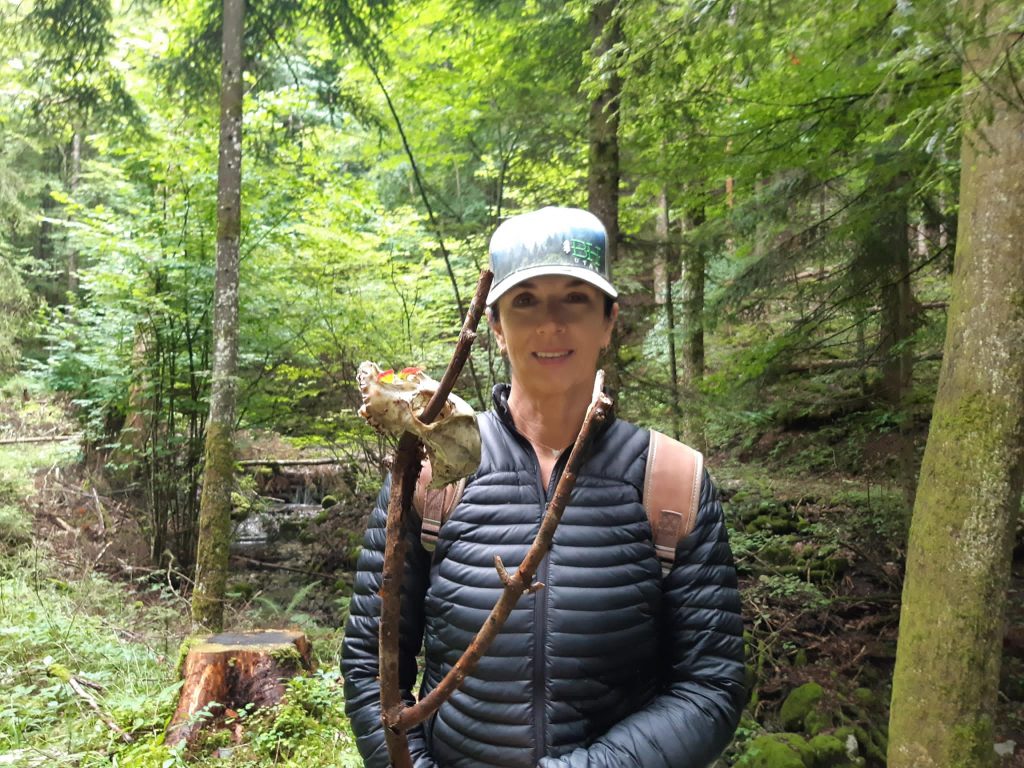
Step into the wilderness with me as I share what it’s like to be a communicator for the World Wildlife Fund! From the mountain streams to the ocean, I’ll show you how I capture amazing moments in nature on camera—and how you can too. You don’t need fancy or expensive gear to start filming in the wild; all you need is curiosity, creativity, and the courage to get outside and try!
Alanna Waldman Carrow is a marine conservation scientist on the Seascapes and Science team at World Wildlife Fund! Her work revolves around how to halt and reverse biodiversity loss in the oceans. She is working to build up marine tourism, shipping, and wind energy in ways that don’t harm wildlife and complement the great benefits ocean and coastal ecosystems already provide!
Peggy Darr is a wildlife biologist who works for Defenders of Wildlife. She spends a lot of her time working to conserve the adorable and important American beaver! Because wildlife conservation requires teamwork, Peggy partners with the World Wildlife Fund to conserve beavers in New Mexico. Peggy will tell you all about beavers, including the strange, alien-like adaptations beavers have for life in the water, as well as why many people believe beavers are superheroes!
Sam Cheng, Conservation Evidence Director for WWF-US, will share all the ways we use science to help us understand how conservation projects are helping the planet. In this session, Sam will share stories about how we use different types of scientific observation and collaboration to better understand the mysterious lives of cephalopods, and how we use this information to help us improve conservation. We will learn about ways in which you can use your scientific skills to help generate evidence about what works for conservation.
Elizabeth Blokker feels most at home in the woods. She loves to explore nature outside of the city but is most excited to meet new animal and plant friends in her neighbourhood in Tkaronto (the Mohawk name for Toronto, ON, meaning the place in the water where the trees are standing and where the fish weirs are). Her background in engineering and outdoor survival has led to a keen interest in how to make urban spaces more integrated with the natural world for the benefit of human and non-human residents alike. This manifests in her current role at WWF-Canada where she supports a myriad of programs that educate and encourage people to act for nature by implementing conservation projects where they go to school/work/live. Join her as she discusses the creative ways that we can bring nature back into our urban spaces!
Sarah Olimb is a Senior Geographic Information Systems (GIS) Specialist at WWF-US. She makes maps and completes spatial analyses to support wildlife and habitat protection of the North American Great Plains ecosystem. In this session, Sarah will share how maps and spatial data are critical to conservation and monitoring of both wildlife species and the places where they live.
Emily Mills is a Senior Data Analyst/Engineer on WWF-US’ Global Science Team. She works with data and maps to answer key questions about important ecosystems to help inform where conservation can have the best impact for both people and wildlife. In this session Emily will share her journey of working with maps and data to help protect wildlife. Students will learn why maps are so critical for our everyday lives and for WWF-US’ conservation work.
Join Dr. Dina Rasquinha, Ecosystem Carbon Specialist at WWF-US on an adventure through the world’s most iconic mangrove forests, where we’ll explore the vital role these unique ecosystems play in fighting climate change. From North America to the far reaches of the globe, discover what makes each mangrove forest unique—whether it’s the carbon they store, the biodiversity they sustain, or the cultures they support. We’ll delve into how these forests protect coastal communities while learning about the innovative ways AI is being used to protect and restore these ecosystems!
Mabel Baez Schon, Biodiversity Senior Specialist for WWF-US, shares how tools like satellites and drones are helping us protect nature and support people around the world. In this session, Mabel will take students on an exciting journey to explore how these amazing technologies reveal the hidden ways nature helps us—like providing clean air and water—and why it’s so important to act quickly to protect it. With fun examples and stories, Mabel will show how this cutting-edge technology is transforming conservation and making a big difference for our planet!
Peggy Darr is a wildlife biologist who works for Defenders of Wildlife. She spends a lot of her time working to conserve the adorable and important American beaver! Because wildlife conservation requires teamwork, Peggy partners with the World Wildlife Fund to conserve beavers in New Mexico. Peggy will tell you all about beavers, including the strange, alien-like adaptations beavers have for life in the water, as well as why many people believe beavers are superheroes!
Becky Chaplin-Kramer, Global Biodiversity Lead Scientist for WWF, will discuss the latest information on the health of nature and wildlife. In her science, Becky analyses what nature provides for people when it’s functioning well, and she’ll share the many amazing things that animals and ecosystems provide that makes our lives better. We’ll end with a discussion on what the world is doing for nature, what more is needed, and what we can all do in our own communities.
Kristy Bly is World Wildlife Fund’s Black-footed Ferret Restoration Manager. She works with partners to remove the black-footed ferret – one of North America’s most endangered mammals – from the Endangered Species List. In this session Kristy will share the story of why they almost went extinct, their amazing comeback, threats they face today, and what she and her partners are doing to restore this masked bandit of the prairie. Students will also learn about what they can do to help protect black-footed ferrets and their habitat.
October 16 is World Food Day, and join Baltimore City Public Schools’ Farm to School team as they take you on a virtual field trip to their very own Great Kids Farm. This livestream is a chance to explore how food is grown and learn about our food system—all from your classroom or home. It’s a great opportunity to see sustainable farming in action and gain a deeper understanding of the origins of our food.
No upcoming events found.
Donate
Help teachers around the world provide world class STEM materials.
Exploring by the Seat of Your Pants is Free for Classrooms Anywhere