Wild Hope
In Partnership With

Oysters returning en masse to clean New York Harbor and shelter one of the world’s great cities from superstorms… Ecuador saving species by enshrining the rights of nature in its constitution… Beavers bringing wild wetlands and biodiversity back to manicured Britain… Soldiers setting fires to save an iconic woodpecker…
These are not the kinds of stories you see on the news. When it comes to the environment, the standard fare these days is a barrage of doom and despair. Enter WILD HOPE, a new series that crisscrosses the globe to spotlight the changemakers who are restoring and protecting the natural world.
The people and stories in WILD HOPE reveal how saving biodiversity begins in our own backyards. There is no need—and no time—to wait for global accords. These mavericks are forging unexpected alliances, making bold interventions, and relying on local expertise to pull our planet back from the brink.
Whether it’s farmers planting coffee to save Mozambican rainforest, Mexican nuns and fishermen working to bring back remarkable salamanders, or trained dogs rescuing koalas from urban encroachment and raging wildfires, the series reveals how small actions have dramatic impact, how individual efforts drive community-wide results, and how local solutions add up to global change.
WILD HOPE provides heroes we can rally around, actions we can share, and optimism we severely need. There is still time to secure the future of life. And if given the chance, nature will bounce back. But we must change the narrative. WILD HOPE shows us how it’s done.
Join us with your classrooms for a series of live events where we’ll get to meet those behind the scenes of these incredible stories of hope from around the world!
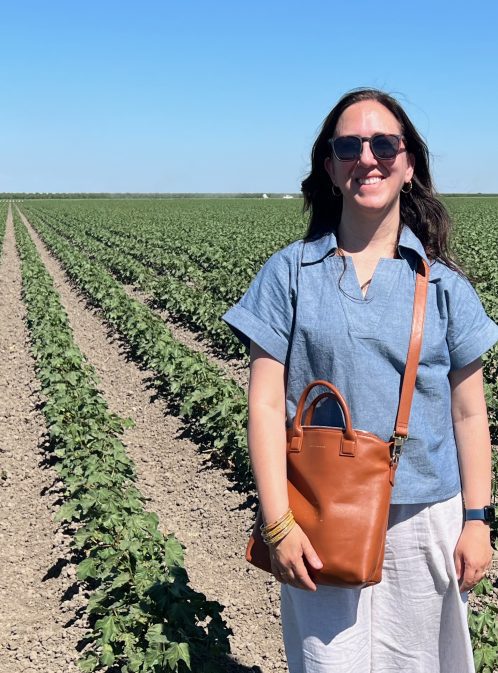
Rose is an ecologist with over 15 years experience working to study and restore streams, rivers and wetlands. In her role at Utah-based nonprofit, Sageland Collaborative, she works with communities and other experts to bring streams back to life using low-tech methods inspired by natural processes. As part of this work, Rose and her colleagues collaborate with the world’s best wetland-building engineers, beavers! Through habitat restoration projects, human-wildlife coexistence work, and relocation, they are bringing beavers back to their historic range. Research has shown that beaver activity creates habitat for many species and helps make waterways more resilient to drought and fire.
This is part of our Wild Hope series showcasing the best and brightest in conservation.
The Osage Nation’s ancestral territory was once as far east as Pennsylvania and as far west as Colorado. Historically, the Osage people engaged in bison hunts twice each year, with the last documented hunt being in 1881. Over time, the Osage Nation’s territory was reduced to a mere 1.5 million acres (Osage County) in Oklahoma. During the time the Osage’s territory was reduced, there was also a significant reduction in bison throughout the United States. This reduction in bison numbers significantly impacted the way of life for the Osage people for many years. With the purchase of a 43,000 acre ranch in 2016, the Osage Nation began the work to bring bison back to the Osage people and to our homelands. With now more than 300 bison, the Osage people are reconnecting to this important keystone species.
This is part of our Wild Hope series showcasing the best and brightest in conservation.
The Bear River was once a lush area with wetlands, hot springs, and abundant wildlife, but years of agriculture and irrigation have degraded the landscape. Brad Parry, the Tribe’s Vice Chairman, has recruited a dedicated team of tribal members, experts, and volunteers to return the site to its former glory. With the help of modern technology and native knowledge, the team will break the water free from colonial canals, remove hundreds of thousands of invasive trees, and replant the native species necessary to stabilize the riverbank and attract local wildlife. As the ecosystem of the Bear River rebounds, it provides the threatened Tribe a place to finally practice their traditions and teach their language to the next generation.
This is part of our Wild Hope series showcasing the best and brightest in conservation.
Just in time for halloween, join Wyoming researcher Ellen Whittle as she takes us on a journey to learn about bats! Find out how they navigate their environment and adapt to survive, as well as some of the challenges they face and ways you can help our flying friends!
This is part of our Wild Hope series showcasing the best and brightest in conservation.

Each year, citizens and visitors of Vestmannaeyjar take part in the local “Puffin Patrol,” a community-driven rescue program that helps hundreds of lost pufflings find their way safely back to the ocean. At our Puffin Rescue Centre, we receive and examine hundreds of these birds each season to ensure they are healthy and ready for release, while also providing care for puffins that need extra support. We’ll be sharing insights into these efforts – from how the community comes together to protect these beloved seabirds, to what life is like for our resident puffins at the Beluga Whale Sanctuary. It’s a heartwarming example of people and wildlife working hand in hand, and how collective care can make a lasting difference for Iceland’s most iconic bird.
This is part of our Wild Hope series showcasing the best and brightest in conservation.
Past Wild Hope Lessons
Join the team at Washington’s Smithsonian Institute as they share the story of how they help save birds at the National Zoo! Learn how your class or house can have a similar impact too in helping our feathered friends!
This is part of our Wild Hope series showcasing the best and brightest in conservation.
Join Dr. Chris Jenkins for an eye-opening presentation this Gopher Tortoise Day, where he’ll explore the crucial role these tortoises play in ecosystems throughout the southeastern United States. As a keystone species, Gopher Tortoises create burrows that provide shelter for over 250 other species, from small mammals to amphibians and insects. One of their most important burrow guests is the Eastern Indigo Snake, a federally threatened species and the reason The Orianne Society was founded. Dr. Jenkins will discuss how conserving Gopher Tortoises has a ripple effect on biodiversity, highlighting why protecting their habitat is essential for maintaining healthy ecosystems.
This is part of our Wild Hope series showcasing the best and brightest in conservation.
Jenni Learned is an ecologist working with the Maui Nui Seabird Recovery Project to restore and protect Hawaiian seabirds and their habitats. Seabirds are a very important part of island ecosystems, serving as a link between ocean and land for tens of millions of years. Unfortunately, coastal and marine ecosystems are suffering rapid changes, and seabirds need our help to overcome increasing threats on land and at sea. Learn how Jenni and conservation scientists in Hawaiʻi work to restore endangered populations and keep common birds common!
This is part of our Wild Hope series showcasing the best and brightest in conservation.
Join the team at FAU to learn about the work they’re doing to understand and save some of the most charismatic of all ocean creatures – sea turtles! With a focus on the biggest turtles in the world the Leatherbacks, we’ll join the science team to showcase all the amazing strategies they have to preserve a future for these remarkable animals.
This is part of our Wild Hope series showcasing the best and brightest in conservation.
For years, Derek Gow worked his 400-acres in western England as a conventional sheep and cattle farm. But as both a farmer and conservationist, he knew that wasn’t right for nature. Now, he’s using his experience with British rewilding projects to return his land to what it once was: a healthy, biodiverse ecosystem.
This is part of our Wild Hope series showcasing the best and brightest in conservation.
No upcoming events found.