Digging Into Our Planet’s Past
Join us for the first time as we explore the natural and manmade past of our planet. We’ll jump around the world to explore the fields of Geology, Archaeology and Palaeontology.
The Unfinished Obelisk in Aswan, commissioned by Queen Hatshepsut, was intended to be the largest obelisk ever made at 42 meters tall. The project was abandoned due to cracks in the granite during carving. Despite being unfinished, it offers valuable insights into ancient Egyptian stone-working techniques
.
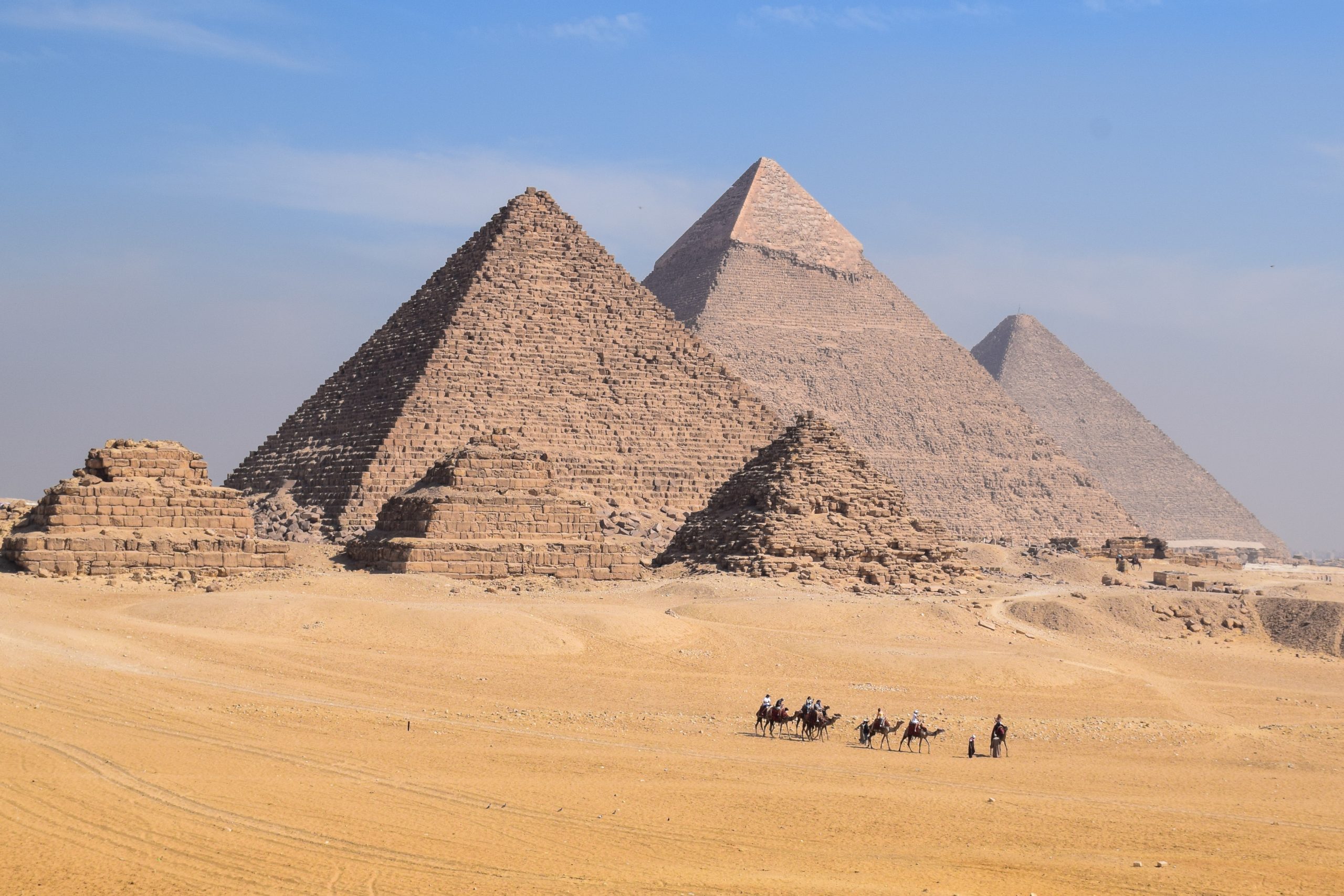
Nora Shawki is a National Geographic Explorer and Egyptian archaeologist, who has been excavating ancient sites in the Nile Delta & Sudan for over a decade. Nora has served as a field archaeologist on foreign missions in areas that include Tell Timai (Thmuis), Sa El Hagar (Sais) and Tell Mutubis in Egypt, as well as Tombos and El Kurru in northern Sudan. Her main project focus is currently at the Pyramids of Giza on the AERA (Ancient Egypt Research Associates) team.
Join us as we head to Kenya to the research centre at Lake Turkana to learn how for the last 35 years we’re uncovering fossils that are giving us an incredible look at our human origins and evolution.
Dr. Louise Leakey is a paleontologist and National Geographic Explorer at Large. She’s a third generation paleoanthropologist who found her first hominid fossil at the age of 5! As the director of public education and outreach for the Turkana Basin Institute, she splits her time between field work near Lake Turkana, Kenya, and more administrative work in the Kenyan capital of Nairobi. In addition to her long-term field studies in Kenya, Louise works closely with local communities and wildlife authorities to preserve the country’s unique flora and fauna.
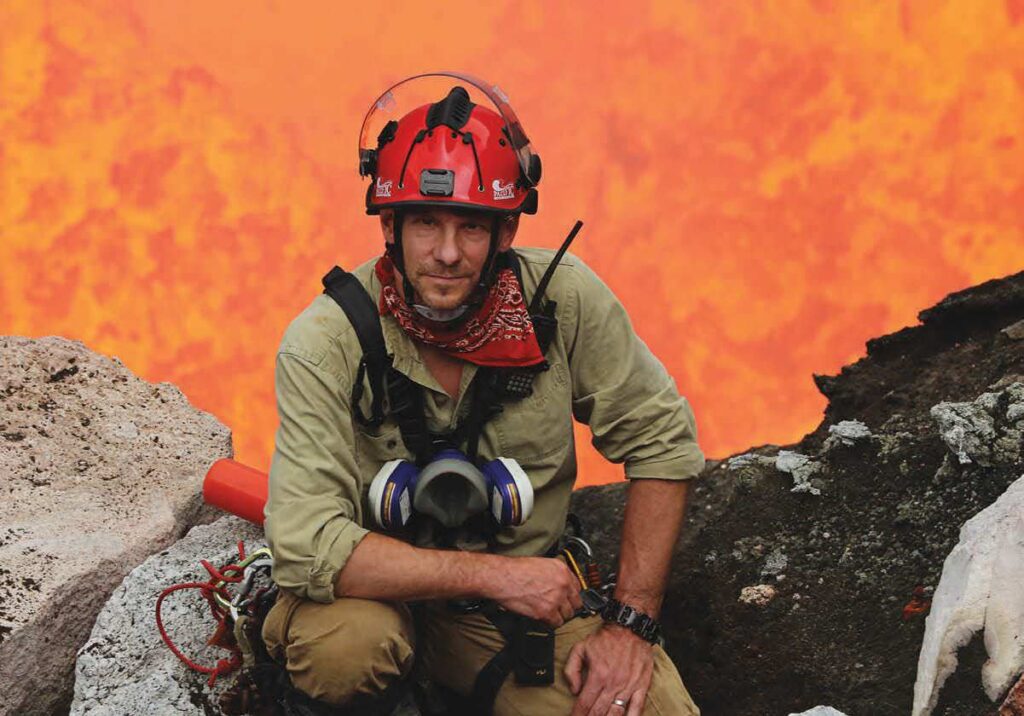
Okay, the Earth doesn’t actually want to kill you… but we live on a dynamic planet, filled with geological hazards that pose real danger. Join RCGS Explorer In Residence George Kourounis as he showcases some of the mightiest weapons in Planet Earth’s arsenal. From volcanoes to earthquakes, tsunamis and avalanches, learn how they work, what dangers they pose, and a few lessons on how to survive if you find yourself in the path of Mother Nature’s bad moods.
Come join us to learn about the most earth shaking natural phenomena there is – earthquakes! Dr. Wendy Bohon has spent years exploring and explaining these incredible events as “DrWendyRocks” on social media, and in this program she’ll dive into the planet to highlight what earthquakes are, how they occur, how we monitor and understand them and more!
Dr. Sahar Saleem is a world class radiologist from Cairo whose work has gone beyond modern medicine to shed light on the stories of the pharaohs of ancient Egypt! Her scans and fieldwork have helped us understand the lives, and deaths, of the rulers behind some of the most iconic monuments and tombs on planet earth.
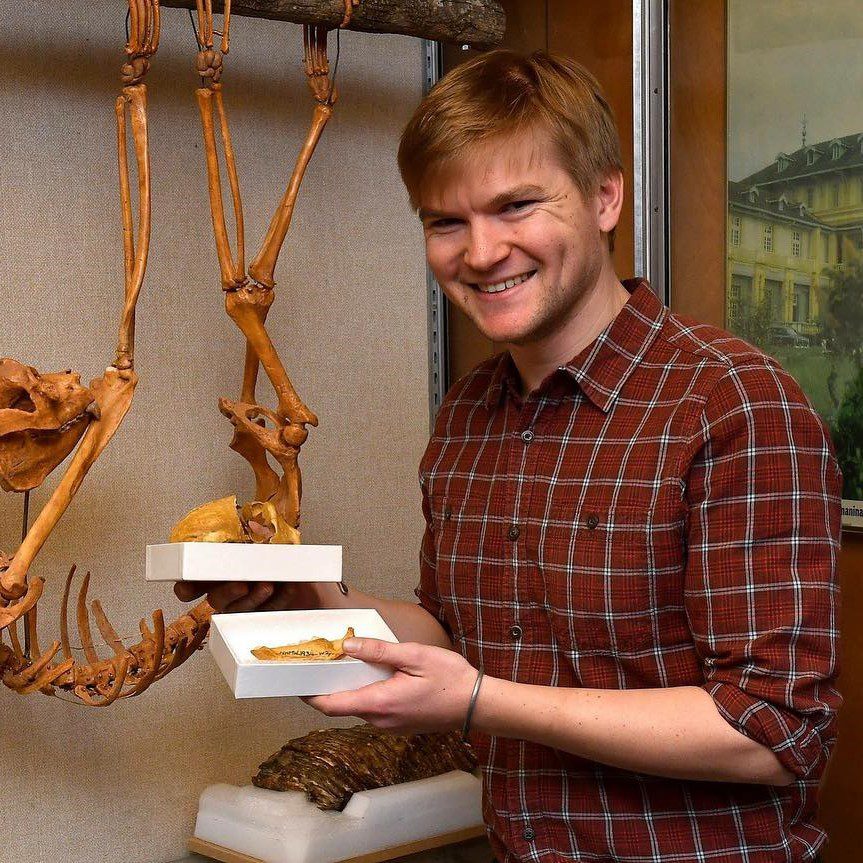
Matt is a palaeontologist who studies the evolution of animals in Africa, particularly the evolution of carnivorous mammals – including some of the oldest meat-eaters to chase down our primate ancestors! As the Curator of the Lemur Center’s Division of Fossil Primates (DFP), he oversees the DFP’s 30,000+ specimens – among them the world’s largest and most important collection of early primates. The DFP’s skeletal specimens of extinct giant lemurs from Madagascar are also unmatched anywhere else in the world.
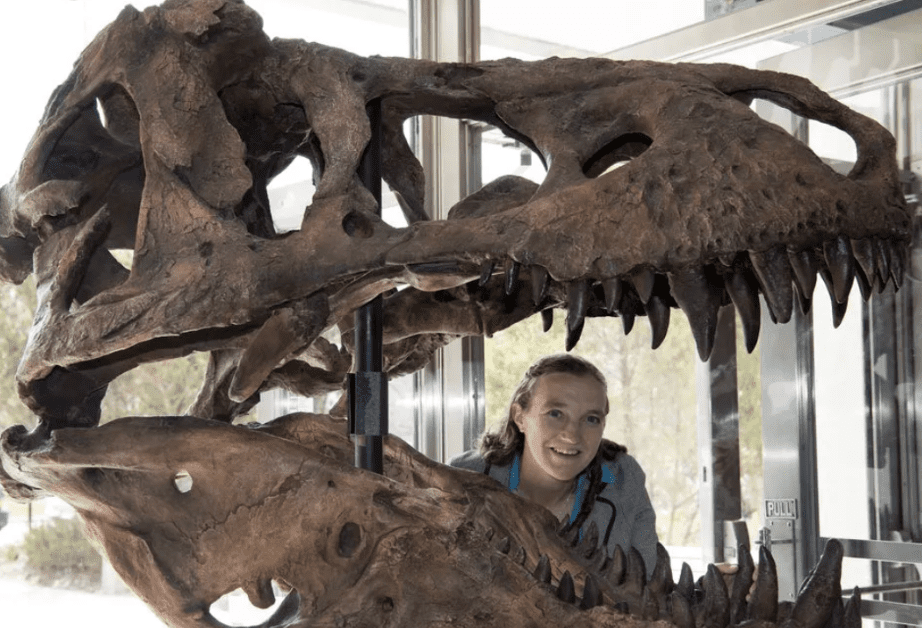
Join us live at Alberta’s iconic Phillip J Currie Dinosaur Museum for a walkthrough of their fossil collections in the galleries and behind the scenes with paleontologist Dr. Emily Bamforth. Learn about the ancient world of dinosaurs and the incredible discoveries being made every day to unlock even more mysteries by intrepid scientists like Emily!
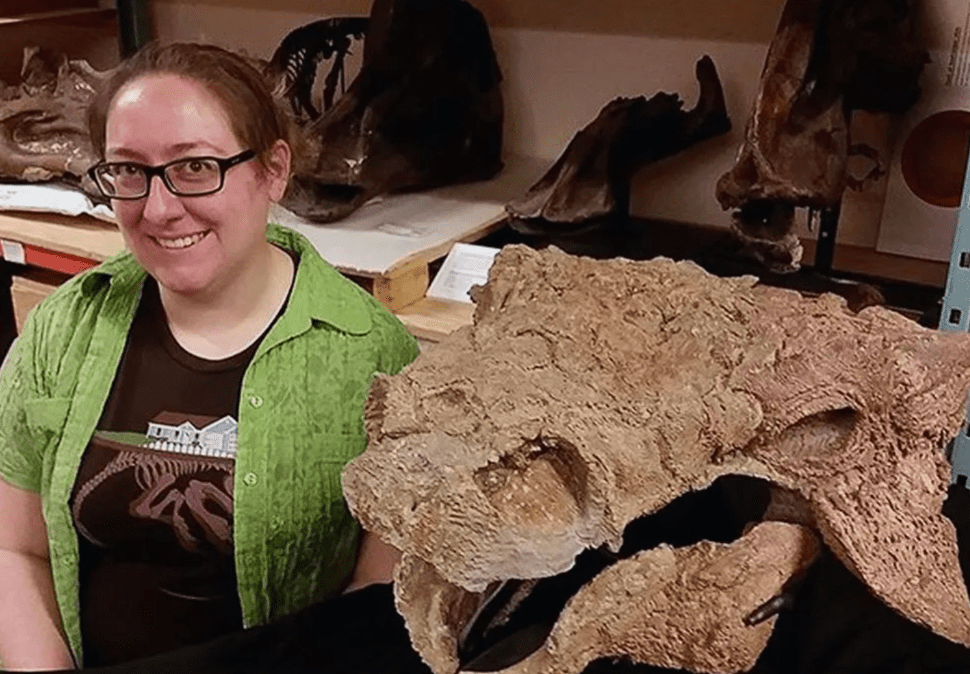
Join Dr. Victoria Arbour, curator of palaeontology at the Royal BC Museum, for a look at recent dinosaur discoveries from across British Columbia!
Join Beverly to explore why in 2025 thousands of earthquakes, or tremors, struck Santorini and the surrounding area between the islands of Santorini and Amorgos. This was caused by magma moving horizontially through the Earth’s crust and not by typical plate movement on tectonic faluts. Things have calmed down for now, but a major eruption is a definite possibility!
Beverly blends archaeology, geology and anthropology to explore the complex ways nature and humans interact on coastlines. Her work concentrates on the causes and effects of ancient environmental events like tsunamis and floods in an attempt to better understand what risks are present today and how broader climate-linked trends, such as sea-level change and fluctuations in precipitation, can be recognized in the sedimentary record.
Andrés is a geoscientist, conservationist, author, science communicator and educator, who became the first scientist granted permission to study the Boiling River of the Amazon in 2011. A tri-citizen, Andrés grew up between Peru, Nicaragua, and the United States, all countries where he now has active projects. His primary geoscientific focus is in the field of volcanology and geothermal studies, looking to understand geothermal systems for academic, conservation, and geothermal energy exploration.
No upcoming events found.
Donate
Help teachers around the world provide world class STEM materials.
Exploring by the Seat of Your Pants is Free for Classrooms Anywhere