Ocean Water Climate Collection
(Formerly Canadian Ocean Literacy Coalition)
This special Ocean Water Climate Collection brings together some of the world’s most passionate scientists and storytellers to share their research and adventures, helping us better understand the vital role the ocean – and all water flowing to it – plays in human and planetary well-being.
Across geographies, cultures, and generations, each live lesson shares a unique story and key insights on a diverse range of ocean-water-climate related topics. From wildlife conservation and ecosystems’ explorations, to research expeditions and community action initiatives, these stories help build personal connections and hope during a time of rapid change.
So dive right in and learn more about the species, places, and people that live on, in, and around water – salty, fresh or frozen, making up more than 70% of the Earth’s surface.
Upcoming Lessons
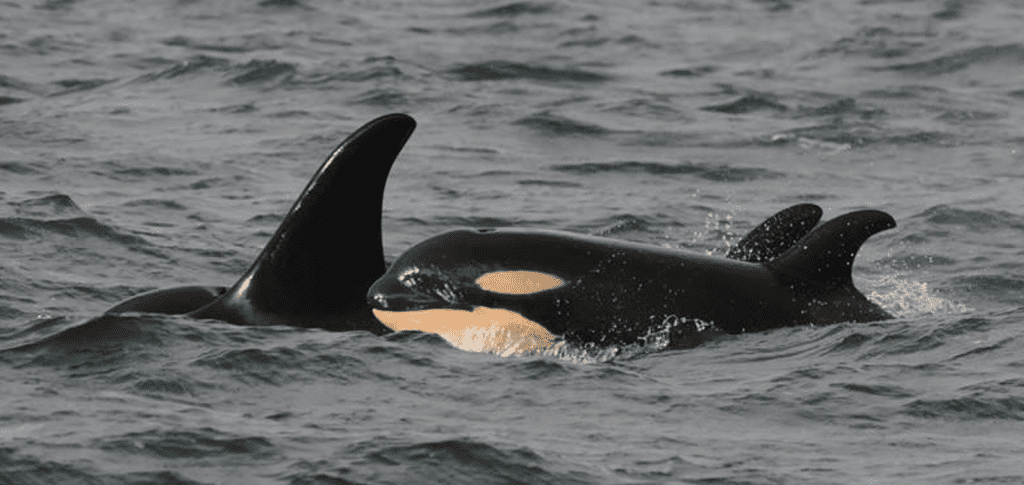
Among the whales of the Pacific Northwest, every calf learns from the adults who nurture and guide them—much like how human children grow with support from their families and communities. Join Parks Canada to learn more about how whales grow and play in the waters of Gulf Islands National Park Reserve.
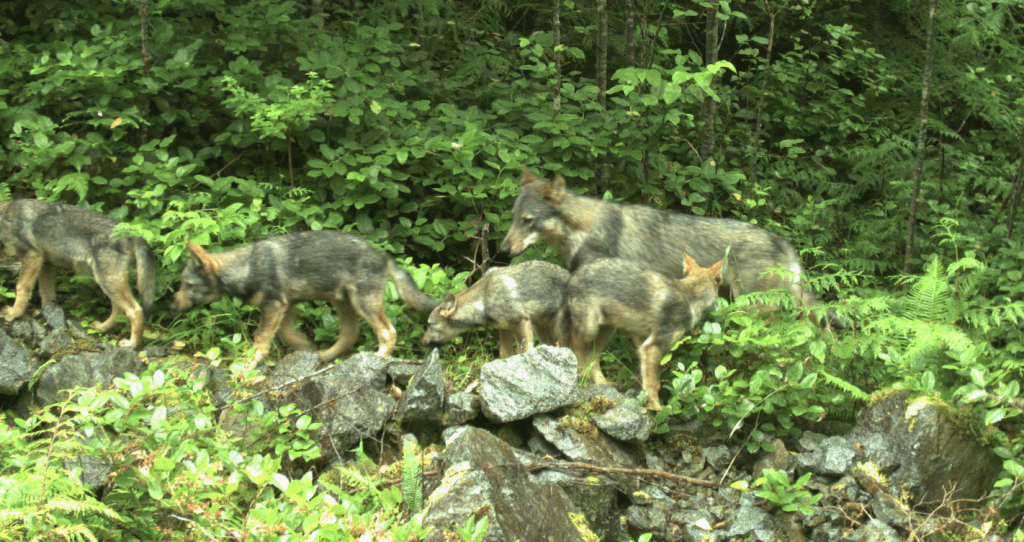
In coastal wolf packs, every pup learns from the adults who nurture and guide them—much like how human children grow with support from their families and communities. Join Parks Canada to learn more about how coastal wolves grow and play in Pacific Rim National Park Reserve.
Around the Americas Expedition would like to invite you to this exciting class! We are joined by the Bermuda Underwater Exploration Institute’s Program Coordinator, Hannah Horsfield. Hannah earned her Bachelor of Science in Environmental Geography from Cardiff University. Join Hannah as she discusses important environmental issues, such as marine plastic pollution.

Exploring by the Seat of Your Pants founder Joe Grabowski was recently invited to explore the West African countries of Senegal and Gambia with Variety Cruises. Starting in Dakar with some ship wreck diving and leading to a 400km journey up the Gambia River, it was an amazing experience exploring the slave trade history of the region, the unique culture and the diverse wildlife. This journey is off the beaten track with few tourists visiting the villages and national parks along the river.
Join in for a visual exploration of the history, culture and wildlife of Senegal and the Gambia!
Exploring by the Seat of Your Pants founder Joe Grabowski was recently invited to explore the West African countries of Senegal and Gambia with Variety Cruises. Starting in Dakar with some ship wreck diving and leading to a 400km journey up the Gambia River, it was an amazing experience exploring the slave trade history of the region, the unique culture and the diverse wildlife. This journey is off the beaten track with few tourists visiting the villages and national parks along the river.
Join in for a visual exploration of the history, culture and wildlife of Senegal and the Gambia!

Join one of the world’s most accomplished divers and friend of Exploring By The Seat of Your Pants Jill Heinerth for this special session as part of our Engineering month exploring how she stays safe beneath the waves and in underwater caves with her dive gear! Take a look at some of the world’s most incredible places and journey with Jill into the veins of mother earth!
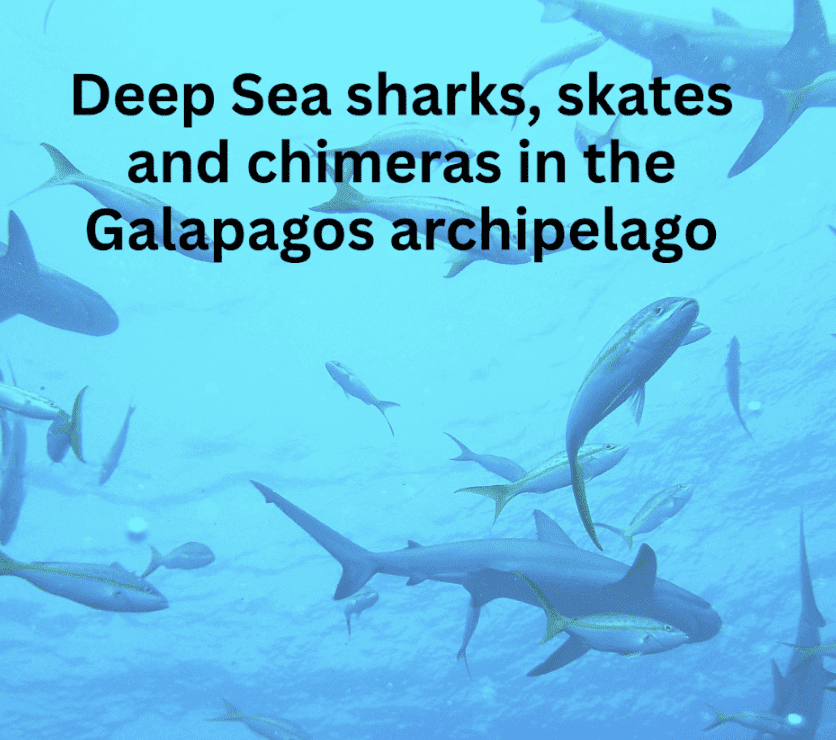
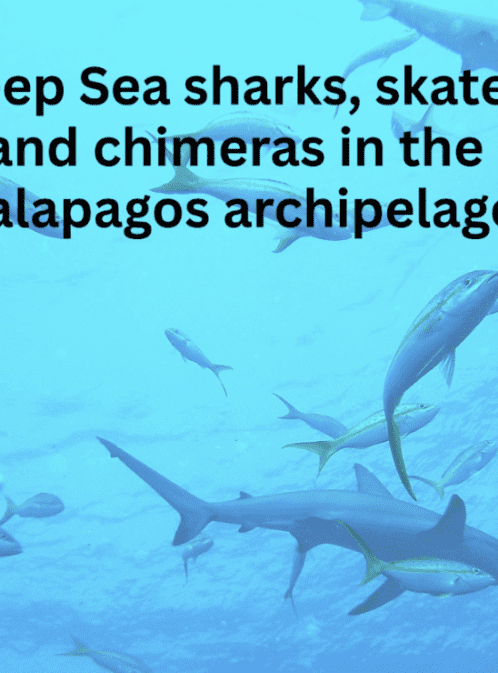
Please join the Around the Americas Expedition alongside Dr. Ana Belén Yánez Suárez a marine biologist, National Geographic Explorer, Conservation Leadership Programme Alumna, and PhD candidate at Memorial University of Newfoundland as she dives into New records of deep sea sharks, skates and chimeras in the Galapagos archipelago.
How would you do science without any money? MARE-Madeira is a research centre on Madeira Island, Portugal, that began in 2013 with two researchers without a dime! Using creativity, MARE-Madeira has grown into the largest research centre on the island and is now starting a deep-sea research program. Learn how your imagination is your greatest tool for doing great science!
This lesson is led by Dr. Diane Esson, Head of Strategy at MARE-Madeira. She’ll share stories of creative science, reveal amazing discoveries in Madeira and walk you down her out-of-the-ordinary path in science. Come ready for an interactive session!
No upcoming events found.
Past Lessons
Alison is an ice core scientist and high-altitude mountaineer who explores the history of sea ice in polar and high-alpine regions using ice core chemistry. This involves long months of living in a tent and drilling ice cores in places like Antarctica, Alaska, and the Canadian High Arctic.
As part of Perpetual Planet Expeditions—a partnership between the National Geographic Society and Rolex—Alison led two expeditions to Mount Logan, Canada’s highest mountain. In 2021, she anchored an all-female team of scientists to install the highest weather station in North America near the mountain’s peak. Alison returned in 2022 to successfully retrieve a record-breaking 1,072-foot-long ice core that could contain one of the continent’s most important climate records and will shed light on how climate change impacts even the world’s highest peaks. Alison is an assistant professor and the director of the Canadian Ice Core Lab at University of Alberta, founder and co-director of Girls on Ice Canada.
Join Mark Evans, live from his camp in Oman after a long day of paddling along the coast in his kayak. Catch up on the expedition so far and get a chance to ask Mark some questions.
Oman 3165 is a seventy day journey by kayak along the coastline of Oman in celebration of World Maritime Day, capturing stories of innovation and biodiversity, celebrating Oman’s rich maritime heritage and using communication technology to inspire the next generation of ocean caretakers for a sustainable future. Mark Evans has lived in Arabia for over 25 years, and is now based in Scotland. He was awarded the MBE by Her Majesty the Queen for his work using challenging outdoor journeys for personal development and learning and was awarded the Medal of Honour by the Sultan of Oman for his work establishing Outward Bound in the Sultanate.
Join Disney Conservation as we dive into the world of nesting sea turtles! Learn about the importance of Florida’s beaches for these animals, how biologists learn more about them, what Disney is doing to protect them, and how you can make a difference.
Kristen Swerzenski is a biologist with Disney’s Sea Turtle Conservation Program, which focuses on conducting sea turtle research on the East Coast of Florida, as well as connecting with and educating the public. Disney Conservation, which also leads conservation programs focused on pollinators, songbirds, and corals, is dedicated to protecting wildlife and building a global community inspired to celebrate the magic of nature together.
In July, British adventurer, James Ketchell set sail from Gosport, England on an ocean adventure of nine months and 30,000 nautical miles. James is setting out to achieve his third circumnavigation of the globe and become the first person in history to do so via air, sea and land. He has already cycled around the world and was the first person to fly a gyrocopter around the world. The aim of the project is to connect with classrooms around the world, live from the boat. He will be sharing stories of fun, adventure and educational content, as well as inspiring young people to pursue their own goals and dreams.
Join in as James has just left Cape Town, South Africa and is beginning the long sail across the Indian Ocean to Australia. Catch up on the journey and ask James some questions!
For the past six years, Florian has dedicated several months each winter and spring to living on the ice, immersing himself in the lives of polar bears to document their existence. Through relentless commitment, staying in small pods pulled by snowmobiles, an intrinsic immersion has allowed the team to become intimately acquainted with the Arctic and the diverse personalities of the animals they observe, capturing moments never seen before.
He also works as an aerial cinematographer for projects like Disney Nature’s “Polar Bear” and BBC’s “Frozen Planet 2”, using aerial images to offer a fresh perspective on wildlife behaviour and habitats. His photography creates emotional connections with our planet.
Hi, my name’s Jason, and I’m unapologetically in love with fish and rivers! Lucky for me, my day job is as a large river scientist at the Illinois River Biological Station (IRBS) in Havana, Illinois. I grew up an active, outdoorsy kid in Kentwood, Michigan and am a proud native son of the Mitten State. Two of my uncles took me fishing at an early age, and – pardon the pun – I was hooked. I loved being outside and on the water – ponds and creeks, lakes and rivers; it didn’t matter, I loved it all. Fortunately, after 4 college degrees, now I get paid to find and catch and count and study fish on the Illinois and Mississippi rivers. From tiny iridescent shiners and sunfish to great big paddlefish and sturgeon, our rivers have a lot of amazing native fishy friends to see and love! Sadly, we also have some fishy foes causing problems, like invasive silver carp, which like to jump out of the water and into our boats, sometimes smacking us with their tails or just crashing into us. Join me on a journey as we explore the wonderful watery world of rivers!
Join Disney Conservation as we dive into the world of nesting sea turtles! Learn about the importance of Florida’s beaches for these animals, how biologists learn more about them, what Disney is doing to protect them, and how you can make a difference.
Emily Hardin is a biologist with Disney’s Sea Turtle Conservation Program, which focuses on conducting sea turtle research on the East Coast of Florida, as well as connecting with and educating the public. Disney Conservation, which also leads conservation programs focused on pollinators, songbirds, and corals, is dedicated to protecting wildlife and building a global community inspired to celebrate the magic of nature together
Dr. Perez Valentin from the Applied Physics Lab at the University of Washington, will discuss the importance of the sea ice advance in the western arctic. As our planet warms, progressively less sea ice survives the summer, resulting in thinner winter ice packs. This creates a positive feedback increasing heat fluxes from ocean to atmosphere which can affect sea ice advance over the winter. As the planet gets warmer, these things are changing fast.
The Around the Americas Expedition is a 14-month voyage, that just launched in May. They will circumnavigate North and South America aboard the 48-foot sailboat, One Ocean. The mission focuses on scientific research, education, and community outreach to raise awareness about ocean health. Building on Captain Mark Schrader’s original 2009–2010 journey, the expedition will compare oceanic changes over the past 15 years.
Join in this long awaited program highlighting the incredible story of the Erebus and Terror, two iconic exploration vessels lost for over 150 years after their failed journey to find the Northwest Passage! Discovered in 2014 and 2016 these ships are some of the most incredible underwater archaeological sites of all time and are the focus of diving expeditions to uncover their secrets from the team at Parks Canada!
What alien invaders threaten Banff National Park? Habitat Heroes battle aquatic invasive species, noxious plants, and animals that don’t belong in this delicate ecosystem. Students will discover how invasive species affect the environment, how we identify and manage them, and why everyone’s actions matter when it comes to protecting our special places.
Dr. Thomson studies waves and turbulence at the ocean surface, including interactions with sea ice at the University of Washington’s Applied Physics Lab. He will explore the torrent waters of the Cape Horn region and Drake Passage called the Antarctic Circumpolar Current.
The fast water swirls in a series of fronts that delineate the warmer waters near Chile with the cold waters by the Antarctic Peninsula. These fronts cause changes in the winds and waves that arrive from the nearly infinite fetch of the mighty Southern Ocean.
Plastic pollution is a massive global issue, but data can help us tell a story that leads to solutions. We will break down overwhelming global production numbers into relatable terms and explore how data-driven initiatives are providing hope by helping to stop plastic from entering our oceans.
Sable Island is a rugged and remote scrap of land off the coast of Nova Scotia. It is a stronghold for seals and wild horses. Right now we have one of our satellite units on the island and will attempt our first live lesson as long as the every changing weather cooperates!
Damian Lidgard will be our guide, he is an Aquatic Biologist with Fisheries and Oceans Canada. He works with the Maritimes seal research team on Sable Island — home to one of the world’s largest grey seal colonies! Damian has been studying marine mammals for over 25 years and has visited Sable Island every year since 1996 as both a seal scientist and a wildlife photographer. He’s even been using special video cameras attached to the seals to discover what seals do beneath the waves.
Sable Island is a rugged and remote scrap of land off the coast of Nova Scotia. It is a stronghold for seals and wild horses. Right now we have one of our satellite units on the island and will attempt our first live lesson as long as the every changing weather cooperates!
Damian Lidgard will be our guide, he is an Aquatic Biologist with Fisheries and Oceans Canada. He works with the Maritimes seal research team on Sable Island — home to one of the world’s largest grey seal colonies! Damian has been studying marine mammals for over 25 years and has visited Sable Island every year since 1996 as both a seal scientist and a wildlife photographer. He’s even been using special video cameras attached to the seals to discover what seals do beneath the waves.
Each night in the open ocean, hundreds of millions of tons of fish, shrimps, jellies, and other animals rise from the deep to feed near the surface. Then, at dawn, they descend hundreds of meters to avoid predators. This is the largest animal migration on Earth. Join the team on the RV Falkor (Too) on expedition in the deep sea off the coast of South America to explore this phenomena and hear about the cutting edge science being done on board!
Join the Line P team as they take part in their first survey of the year where they’ll tell you all about life at sea while completing the water and plankton sampling work they do aboard the CCGS Sir Wilfrid Laurier.
Having started in the 1950s, the Line P program is one of the longest standing oceanographic datasets used to track how a changing climate effects the ocean. The program both monitors properties of the water itself (which tells us about the health of the ecosystems beneath the waves) and hosts researchers from around the world who are interested in learning about ocean physics, chemistry, and biology. This work is so important to continue as the health of the ocean affects us all and we need to track the changes the ocean is experiencing in order to know how we need to adapt.
Chloe Immonen has been an oceanographer at the Department of Fisheries and Oceans for a little over three years and she LOVES being at sea! In fact, that’s probably where she’s happiest, apart from when she’s hiking mountains with her dog Billie. Chloe is very lucky to get to live aboard Canadian Coast Guard ships for a few months of every year doing science with her awesome colleagues.
Join scientists live from the lab at the U.S. Geological Survey as they cut open deep-sea sediment cores collected from depths over 3 miles below the ocean surface. Dr. Kira Mizell is a Research Oceanographer and Chief Scientist of the Hawai’i Abyssal Nodules and Associated Ecosystems Expedition, completed in November of 2025. Dr. Katlin Bowman Adamczyk is a Scientist that works alongside Kira in the Global Seabed Mineral Resources Lab at the Pacific Coastal and Marine Science Center in Santa Cruz, California. Kira and Katlin will share videos and stories from their latest research expedition and will be sampling sediment cores in the lab to learn more about the geochemistry of deep-sea ecosystems.
Join the Under the Pole Expedition from their sturdy aluminum schooner, designed to navigate all the world’s seas ‑ tropical, temperate and polar regions ‑ or wintering on the ice. Their mission is to advance knowledge of Antarctic marine ecosystems, particularly in the mesophotic zone, and taking action to protect them.
For the past 15 years, Under The Pole expeditions have gone to the Geographic North Pole, spent two years in Greenland wintering in the ice and sailed through the Northwest Passage and to Svalbard. These expeditions stand out for the rarity of the images brought back, others for the value of the scientific work and technological innovation in an environment where humankind can only stay on borrowed time: the ocean. To succeed in exploring polar, temperate, and tropical environments—seldom visited because of their difficult access—requires unconventional resources.
Kelp forests are among Earth’s most dynamic and productive marine ecosystems, created by giant kelp (Macrocystis pyrifera) and bull kelp (Nereocystis luetkeana). They are also integral to the marine carbon cycle, boasting primary production rates comparable to those of tropical rainforests. Beyond their ecological importance, kelp forests hold cultural significance for Indigenous communities along the Pacific coast and contribute to commercial industries and scientific research.
The Around the Americas Expedition is a 14-month voyage, that just launched in May. They will circumnavigate North and South America aboard the 48-foot sailboat, One Ocean. The mission focuses on scientific research, education, and community outreach to raise awareness about ocean health. Building on Captain Mark Schrader’s original 2009–2010 journey, the expedition will compare oceanic changes over the past 15 years.
Each night in the open ocean, hundreds of millions of tons of fish, shrimps, jellies, and other animals rise from the deep to feed near the surface. Then, at dawn, they descend hundreds of meters to avoid predators. This is the largest animal migration on Earth. Join the team on the RV Falkor (Too) on expedition in the deep sea off the coast of South America to explore this phenomena and hear about the cutting edge science being done on board!
Justine Hudson is a marine mammal biologist at Fisheries and Oceans Canada in Winnipeg, Manitoba. Her work has taken her to Hudson bay and beyond to study beluga whales and in this talk Justine will help us understand the lives of these incredible Arctic marine mammals and the potential impacts of climate change and human activity.
This online classroom from the Around the Americas Expedition is designed to open doors into the growing world of blue industries. ovate with our ocean.Here you’ll discover how people around the world work with and for the ocean: scientists, sailors, engineers, innovators, problem-solvers, and protectors. This classroom helps you find the path that fits you and shows how you can make waves in the blue industries.
The Around the Americas Expedition is a 14-month voyage, that just launched in May. They will circumnavigate North and South America aboard the 48-foot sailboat, One Ocean. The mission focuses on scientific research, education, and community outreach to raise awareness about ocean health. Building on Captain Mark Schrader’s original 2009–2010 journey, the expedition will compare oceanic changes over the past 15 years.
Join Carlee on this journey into the deep to learn about the most amazing creatures in the oceans – sharks! As a renowned author, scientist and educator, Carlee Jackson has dedicated her life to studying sharks and educating others on their importance to the world’s oceans. From her debut on international TV with National Geographic’s Sharkfest to the release of 2 children’s books…Carlee is making waves in the shark and marine science world!
What happens to a snowflake that falls in Roger’s Pass, Glacier National Park? It’s an eventful place for a snowflake to land! We’ll follow our heroine on her wild ride, which will include being examined! smashed! avalanched! plowed! melted! carried! filtered! until she’s finally on her way back to the ocean. Along the way, we’ll cover the basic principles of the water cycle and winter mountain weather.
Sea lamprey are slimy vampire fish with a round, suction cup mouth filled with tiny teeth that attach to other fish like lake trout and drink their blood! They are originally from the Atlantic Ocean but invaded the Great Lakes, where they cause big problems. Each year, these hungry sea lamprey kill about 10 million pounds of fish in the Great Lakes. Sea lamprey control is necessary to reduce their numbers and maintain a healthy Great Lakes ecosystem. Although we have found some effective ways to control invasive sea lamprey populations, there are ongoing efforts to further decrease their numbers in the Great Lakes.
Join Dr. Anne Scott from Michigan State University and Dr. Andrea Miehls from Great Lakes Fishery Commission for a live visit to Hammond Bay Biological Station in Michigan. You’ll get a chance to learn more about these slimy creatures, see live sea lamprey up close, and learn about the ongoing research to develop new ways to control this destructive fish and protect one of the largest freshwater ecosystems on Earth.
Alysa is a conservation biologist specializing in polar bears; she is based out of Yellowknife, Northwest Territories, Canada but spends every fall and part of every summer in Churchill, Manitoba, sometimes called the Polar Bear Capital of the World. Alysa has been studying Canadian polar bears for seven years, focusing largely on the western Hudson Bay subpopulation, one of the first to show impacts of climate change. She currently works for Polar Bears International, supporting research and directing conservation outreach programs, all with a mission to protect the polar bear and its sea ice home for future generations. Alysa loves speaking to people across the world about polar bears and their unique lifestyle, and is passionate about helping students feel empowered to take action on climate change.
Angela is one of few female IFMGA mountain guides in the world with a career spanning over three decades. She was president of the American Mountain Guides Association and over the past 20 years has trained and examined aspiring guides. She’s led over 30 high-altitude mountaineering expeditions to the world’s Greater Ranges and guided remote trips from the Antarctic Peninsular to Arctic Svalbard. She skied from Sweden to Norway across Lapland, reached the South Summit of Mt. Everest and has led many technical all-women’s ascents.
Angela has a Master’s Degree in International Mountain Conservation, serves on the IFMGA board and is the vice president of the IFMGA Technical Commission where she leads climate change efforts and projects elevating women mountain guides worldwide. In 2011, she was named AMGA Guide of the Year and in 2022 received the AMGA Lifetime Achievement in Guiding Award.
Donate
Help teachers around the world provide world class STEM materials.
Exploring by the Seat of Your Pants is Free for Classrooms Anywhere